
Bloating and abdominal discomfort? Excess of intestinal gases?
How SIBO can affect your health and quality of life.
GASTROINTESTINAL DISORDERS
Cláudia Luís
2 min read
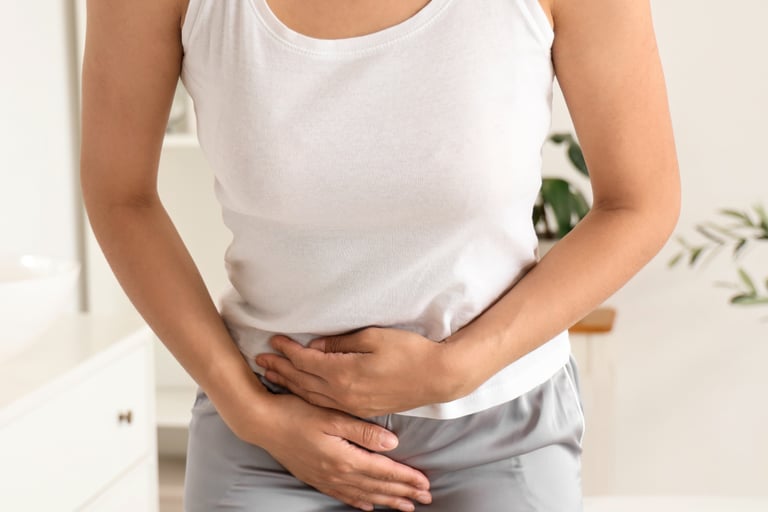
Do you often experience abdominal bloating and/or excessive gases? Do you fluctuate between diarrhea and constipation? Have you eliminated certain foods from your daily diet but still cannot permanently reduce the symptoms?
Know that these symptoms may indicate that you have SIBO: Small Intestinal Bacterial Overgrowth.
SIBO is considered a type of dysbiosis, meaning an imbalance of the microbiota that lives in our small intestine, and it is generally associated with a range of symptoms in the body.
What are the most common symptoms?
- Abdominal bloating (which may worsen throughout the day or after eating)
- Intestinal Gases
- Constipation or diarrhea (or alternating between the two)
- Abdominal pain
- Nausea
- Fatigue
- Chronic pain
We can also categorize the symptoms according to the type of SIBO diagnosed: Hydrogen SIBO, Methane SIBO, or Hydrogen Sulfide SIBO. This classification, as the name suggests, is based on the type of gas produced by the microorganisms that are in excess in the small intestine, along with the corresponding symptoms for each type. However, it is important to highlight that these symptoms may vary from person to person and may even include symptoms from different types of SIBO.
What are the causes?
There are numerous factors that can trigger the development of SIBO, such as gastroenteritis, chronic stress, antibiotics, and smoking. Certain conditions are also strongly associated with this gastrointestinal disorder, for example, hypothyroidism, celiac disease, Crohn’s disease, among others.
SIBO is also commonly associated with the development of food intolerances, particularly to sugars found in many foods in our diet, such as fructose, sorbitol, lactose and even histamine intolerance. The small intestine is responsible for the digestion and absorption of the majority of nutrients from our diet. If it is imbalanced and inflamed, its cells and enzymes will not be fully functioning and will fail to perform their expected role.
What is the appropriate treatment?
The human body is highly complex, and gastrointestinal disorders such as SIBO demonstrate that, to achieve successful treatment, we must approach the patient from multiple perspectives—not only physiologically, but also emotionally and considering their present and past context.
First and foremost, it is important to understand the original cause of the SIBO and the onset of symptoms, and to work together with the patient to determine the treatment plan.
In an initial phase, it is necessary to review the entire digestive process, from the patient’s oral health and proper chewing of food, to regulating stomach function, the quality of the mucous membranes, and stomach acid production. It is also important to analyze potential micronutrient deficiencies common in this condition (such as Vitamin B12, Iron, Magnesium, Zinc, among others). The normal functioning of the gallbladder and pancreas should also be assessed to ensure that fats and proteins are properly digested by the body (which often aren’t), and support the intestine in reducing intestinal permeability and restoring a balanced gut microbiota. At the same time, it may be necessary to raise the patient’s awareness about lifestyle changes to achieve effective stress reduction, including during mealtimes.
It is important to emphasize that skipping steps may bring short-term positive results, but experience shows that relapse becomes more common in these patients. Only by addressing the root of the problem can we allow the body to regenerate and the mind to relearn how to live with quality.


Cláudia Luís, Naturopath
C-002762
Consultations
Lisboa (Benfica & Av. Roma)
Oeiras (Oeiras & Linda-a-Velha)
Online